The Rise of AI Data Centers in Montana: Climate, Energy, and Economic Opportunities
- RevFlow Technology
- Feb 19
- 4 min read

Artificial intelligence (AI) is reshaping industries worldwide, and the demand for data centers to support AI workloads is growing rapidly. Montana, often overlooked in the tech landscape, is emerging as a key player in this trend. The state’s unique combination of climate, energy resources, and economic incentives is attracting major companies to build AI data centers here. This post explores the factors driving this rise, highlights key industry players, and examines the benefits and challenges for Montana’s communities.
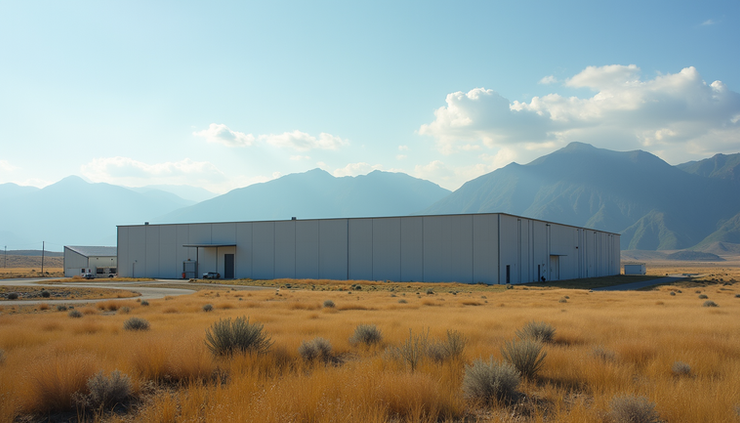
Why Montana Is Becoming a Hub for AI Data Centers
Several factors make Montana an attractive location for AI data centers. These include the state’s climate, abundant energy resources, and business-friendly policies.
Favorable Climate for Data Centers
Data centers generate a lot of heat and require efficient cooling systems to operate reliably. Montana’s cool climate helps reduce cooling costs significantly. Unlike warmer regions where energy-intensive air conditioning is necessary year-round, Montana’s lower average temperatures allow for more natural cooling methods. This reduces operational expenses and environmental impact.
Abundant and Clean Energy Resources
Montana has access to diverse energy sources, including hydroelectric, wind, and coal. The state’s hydroelectric power plants provide a steady supply of renewable energy, which appeals to companies aiming to reduce their carbon footprint. Wind energy is also growing rapidly, with several large wind farms contributing to the grid. This mix of clean and affordable energy supports the high electricity demands of AI data centers.
Economic Incentives and Supportive Policies
Montana offers competitive tax incentives and grants to attract technology investments. The state government has created programs to support infrastructure development and workforce training tailored to the tech sector. These incentives lower the initial costs for companies setting up data centers and encourage long-term investment.
Key Players Driving Montana’s AI Data Center Growth
Several major companies have recognized Montana’s potential and invested heavily in AI data center projects.
Meta (Facebook)
Meta has announced plans to build a large data center campus in the Flathead Valley region. This facility will support AI research and social media services. Meta’s investment is expected to create hundreds of construction jobs and dozens of permanent positions, boosting the local economy.
Microsoft
Microsoft operates a data center near Butte, Montana, which supports its cloud computing and AI services. The company has invested in renewable energy projects to power this facility, aligning with its sustainability goals. Microsoft’s presence has helped develop local tech talent through partnerships with educational institutions.
Other Emerging Players
Smaller companies and startups focused on AI and cloud services are also exploring Montana for data center expansion. These businesses benefit from the state’s infrastructure and energy advantages, contributing to a growing tech ecosystem.
Economic Benefits for Montana Communities
The rise of AI data centers brings several positive impacts to Montana’s local economies.
Job Creation
Construction of data centers creates immediate employment opportunities. Once operational, these centers require skilled workers for maintenance, security, and IT support. This helps diversify job options in rural areas.
Increased Tax Revenue
Data centers contribute property and business taxes that fund public services such as schools, roads, and emergency services. This revenue supports community development without relying heavily on residents’ income taxes.
Infrastructure Improvements
To support data centers, investments in power grids, internet connectivity, and transportation infrastructure often follow. These upgrades benefit residents and other businesses.
Educational Opportunities
Partnerships between data center companies and local colleges provide training programs in IT, engineering, and renewable energy. This builds a skilled workforce and encourages young people to stay in the state.
Challenges Facing Montana’s Communities
Despite the benefits, the growth of AI data centers also presents challenges that require careful management.
Energy Demand and Environmental Concerns
Data centers consume large amounts of electricity. While Montana’s energy mix includes renewables, increased demand could strain resources or lead to reliance on fossil fuels if not managed properly. Communities must balance growth with environmental sustainability.
Water Usage
Cooling systems in data centers often require significant water resources. In some parts of Montana, water availability is limited, raising concerns about the impact on local ecosystems and agriculture.
Land Use and Local Impact
Large data center campuses require substantial land, which can affect rural landscapes and wildlife habitats. Additionally, construction and increased traffic may disrupt small communities.
Workforce Development
While data centers create jobs, many require specialized skills. Ensuring local workers have access to relevant training is essential to avoid labor shortages and maximize community benefits.
What the Future Holds for Montana’s AI Data Centers
Montana’s rise as a hub for AI data centers is still unfolding. The state’s natural advantages and proactive policies position it well for continued growth. Success will depend on balancing economic development with environmental stewardship and community well-being.
Local leaders, companies, and residents have an opportunity to shape this future by:
Promoting renewable energy projects to meet data center demands sustainably
Investing in education and training programs focused on technology and energy sectors
Engaging communities in planning to address land use and resource concerns
Encouraging transparency and collaboration between industry and local governments
Montana’s experience could serve as a model for other regions seeking to attract technology investments while preserving their unique environments and quality of life.


Comments